
Trézor.io/Start — Starting Up™ Your Device | Trezor®
Trezor.io/start provides practical guidance for Trezor wallet setup, device preparation, Trezor Suite access, account management, recovery protection, and secure crypto practices.
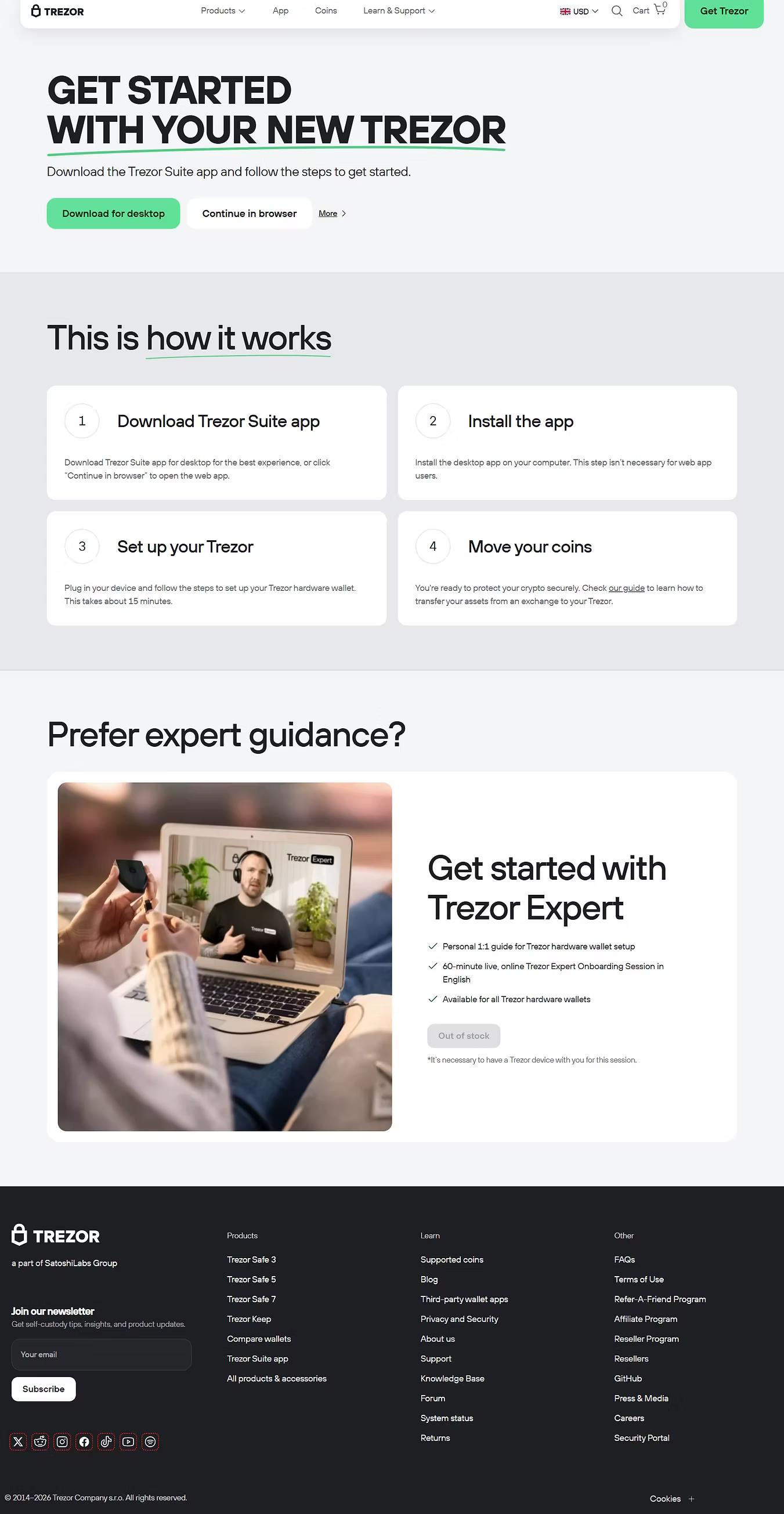
Trezor.io/start: A Practical Guide to Trezor Wallet Setup
Setting up a hardware wallet for the first time involves more than connecting a physical device to a computer. Users need to understand wallet initialization, compatible software, recovery information, device security, and transaction verification. Trezor.io/start can serve as a useful starting point for learning about the Trezor hardware wallet setup process and developing a secure approach to digital asset management.
What Is Trezor.io/start?
Trezor.io/start refers to the starting point associated with setting up and learning about a Trezor hardware wallet. The setup process introduces users to the device, compatible wallet software, security information, and the basic steps involved in preparing a wallet for cryptocurrency management.
A hardware wallet works differently from a conventional online account. The physical device is designed to keep sensitive wallet operations within a dedicated hardware environment, while compatible software provides an interface for viewing accounts and managing supported digital assets.
Preparing for Trezor Wallet Setup
Before beginning the setup process, make sure you have the compatible Trezor hardware wallet and a suitable computer or supported device. It is also important to use trusted software and avoid downloading wallet applications from unfamiliar websites or unexpected links.
Take a moment to inspect the device and become familiar with its buttons, display, and connection method. Understanding the hardware before starting can make the initialization process easier to follow.
Connecting Your Trezor Device
After preparing the required equipment, connect the Trezor hardware wallet according to the supported setup instructions. The compatible wallet software can provide prompts that guide users through the initial configuration.
Pay attention to information displayed directly on the physical device. Hardware wallet setup should be approached carefully, particularly when the device asks you to confirm security-related information.
Creating and Protecting Wallet Information
During initialization, users may be guided through the creation or restoration of a wallet. Depending on the setup method, recovery information may be presented by the device.
Recovery information is extremely important because it can provide access to the associated wallet. It should be kept private and stored securely. Never share a recovery phrase with another person, website, application, or online support representative.
A recovery phrase should also not be photographed, uploaded to cloud storage, or copied into an ordinary online document where it could be exposed.
Understanding Trezor Suite
Trezor Suite is a software environment associated with Trezor hardware wallets and can provide an interface for supported account and cryptocurrency management. It helps users interact with their hardware wallet while keeping the physical device involved in important security operations.
The software and hardware have separate roles. Trezor Suite can display wallet information and prepare supported activities, while the physical hardware wallet can be used to review and authorize sensitive operations.
Why Transaction Verification Matters
One of the most important habits when using a hardware wallet is verifying transaction information before approval. A transaction may be prepared through compatible wallet software, but users should carefully check important details on the hardware device before confirming it.
Review information such as the recipient address, transaction amount, and relevant network details. If something looks unfamiliar or different from what you expected, stop and investigate before approving the transaction.
Protecting Your Trezor Wallet
Hardware wallet security depends on more than the physical device. Users also need to protect their recovery information, use trusted software, recognize phishing attempts, and maintain control of the device.
Never give your recovery phrase to someone claiming to be technical support. Be particularly cautious when a message says that your wallet must be verified, restored, synchronized, or unlocked by entering recovery information online.
Legitimate-looking websites can also be deceptive, so carefully check the source before interacting with wallet software or entering any sensitive information.
Avoiding Common Setup Mistakes
New users can sometimes make avoidable mistakes during hardware wallet setup. Installing software from an unofficial source, rushing through security prompts, sharing recovery information, or approving an unfamiliar transaction can create unnecessary risks.
Another mistake is assuming that a recovery phrase is simply another type of password. It serves a much more significant role and should receive a higher level of protection.
If something unexpected happens during setup, stop and review the situation instead of entering sensitive information into an unfamiliar page.
Managing Cryptocurrency Accounts
Once the hardware wallet has been initialized and the compatible software environment is ready, users can begin managing supported cryptocurrency accounts. Depending on the supported assets and software features, this may include reviewing balances, monitoring account activity, and preparing transactions.
Keeping accounts organized can make regular wallet management easier. However, convenience should always be combined with careful security practices.
Trezor.io/start and Everyday Wallet Management
The setup process is only the beginning of using a hardware wallet. After initialization, users should continue following good security habits whenever they access their wallet or approve transactions.
Keep the hardware device under your control, protect recovery information offline, use trusted software, and review sensitive actions directly on the device.
A consistent routine can reduce confusion and make it easier to recognize unusual requests or suspicious wallet activity.
Final Thoughts
Trezor.io/start provides a useful topic for understanding the fundamentals of Trezor hardware wallet setup. From preparing the device and connecting compatible software to protecting recovery information and verifying transactions, each stage plays a role in responsible cryptocurrency management.
The most important habits are straightforward: use trusted software, keep your recovery information private, carefully review device prompts, and verify transaction details before approval. With these practices in place, users can approach their Trezor wallet setup with a clearer understanding of how hardware, software, and security work together.
Updated about 6 hours ago